
WORLDS WE GOVERN
29/08/2026
30/08/2026
Step into the heart of Singapore’s legislative process and into the shoes of a Member of Parliament. Worlds We Govern is a simulation series that seeks to democratise the policymaking experience for all!
Worlds We Govern is a simulation series that seeks to democratise the policymaking experience for all! From drafting bills to defending policies in parliamentary-style debates, this immersive experience challenges participants to navigate the nuances of Singapore’s legislative system and master the art of policymaking.
Through our conference, we offer you a seat at the table to contribute ideas and opinions that build a more resilient and forward-looking Singapore, empowering them to bridge the gap between discourse and tangible impact.
We serve as a platform that empowers participants to bridge the gap between discourse and tangible impact, taking the initiative to drive change within their own communities. This is exactly how strong and future-ready policymakers are built.
We invite you to explore the conflicts, compromises, and convictions that shape our societies with us.
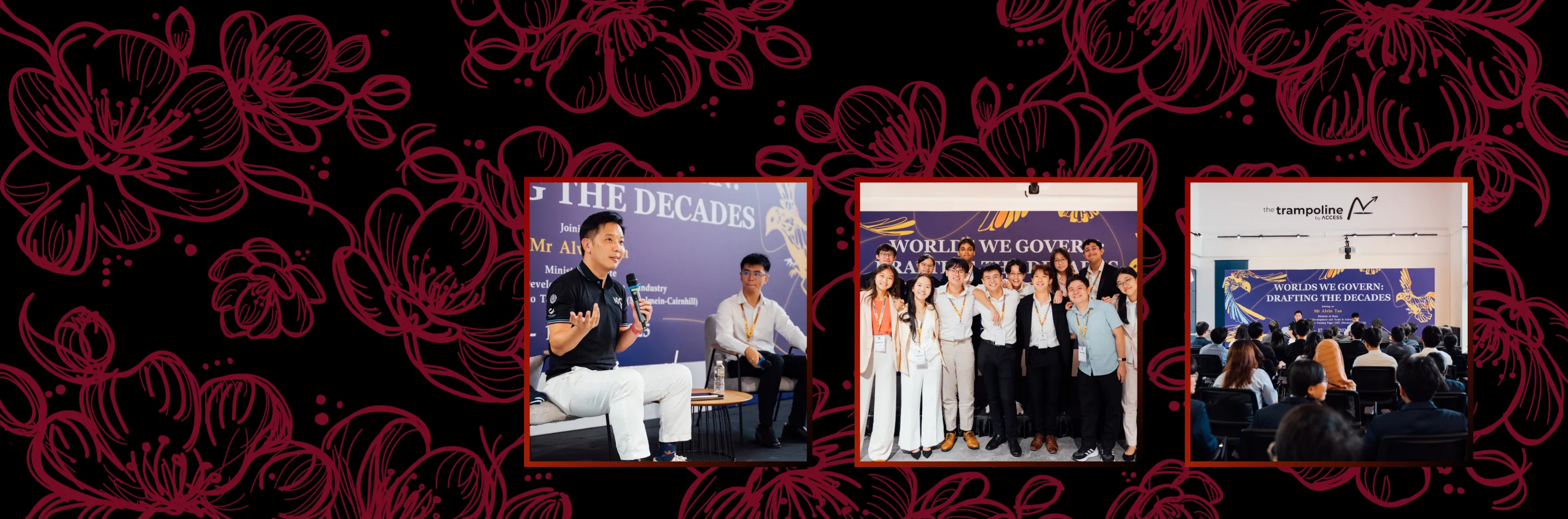
DRAFTING THE DECADES 2025
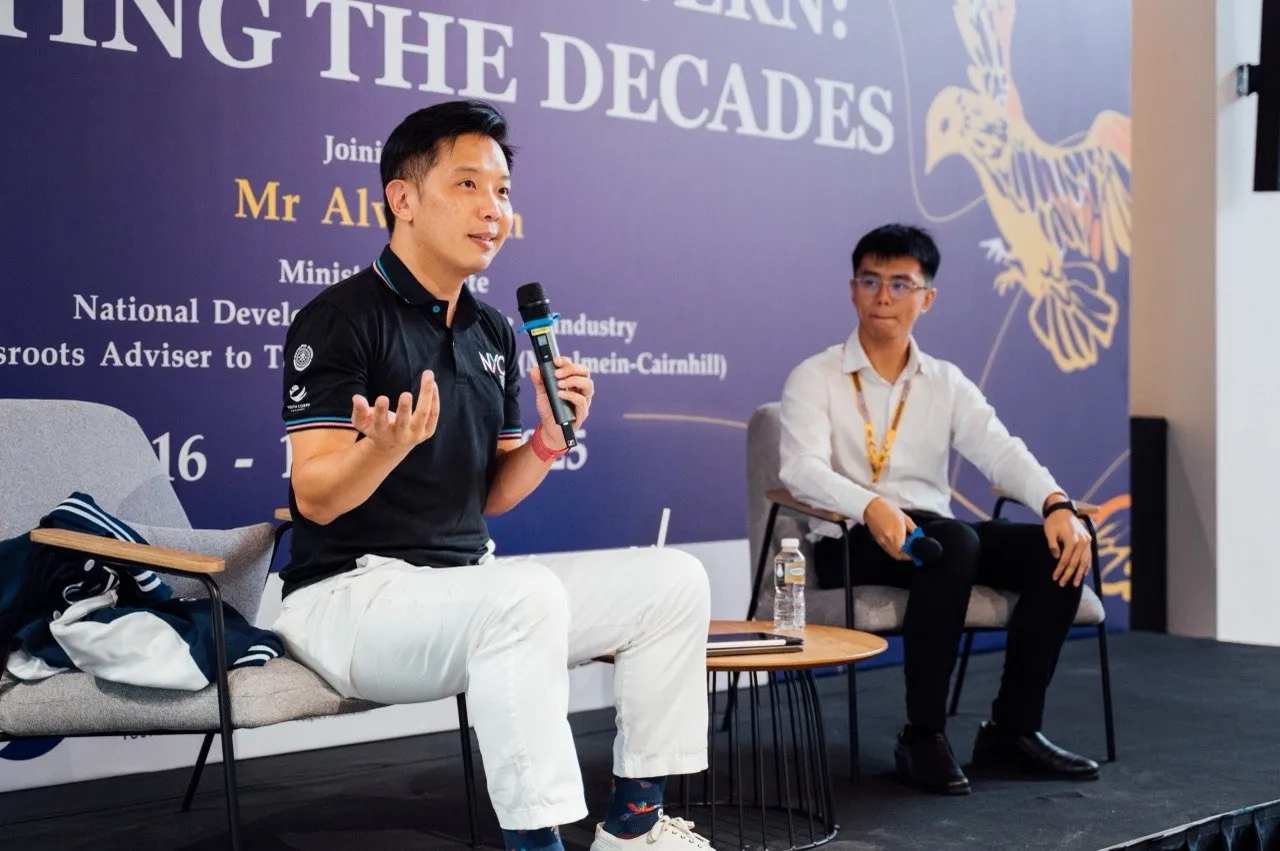
Building on the success of our 2025 pilot event, Drafting the Decades.

PREPMUN Singapore Presents
Building on the success
of our 2025 pilot event
Drafting the Decades
Join us at WWG 2026 as we come together to explore the conflicts, compromises, and convictions that shape our society.
Ngee Ann Polytechnic
Western Business
We welcome all youth aged between 13 and 25 (inclusive) as of 30 August 2026 who are:
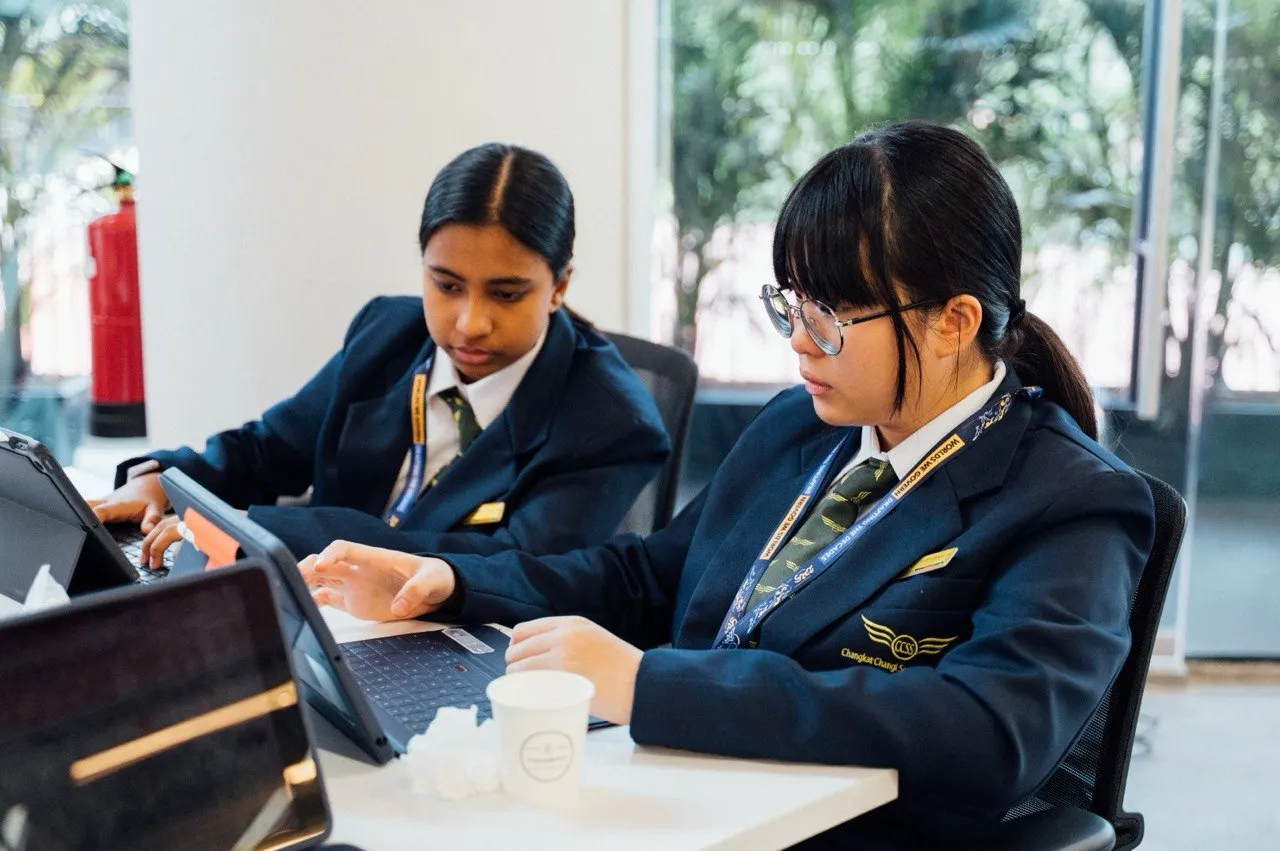
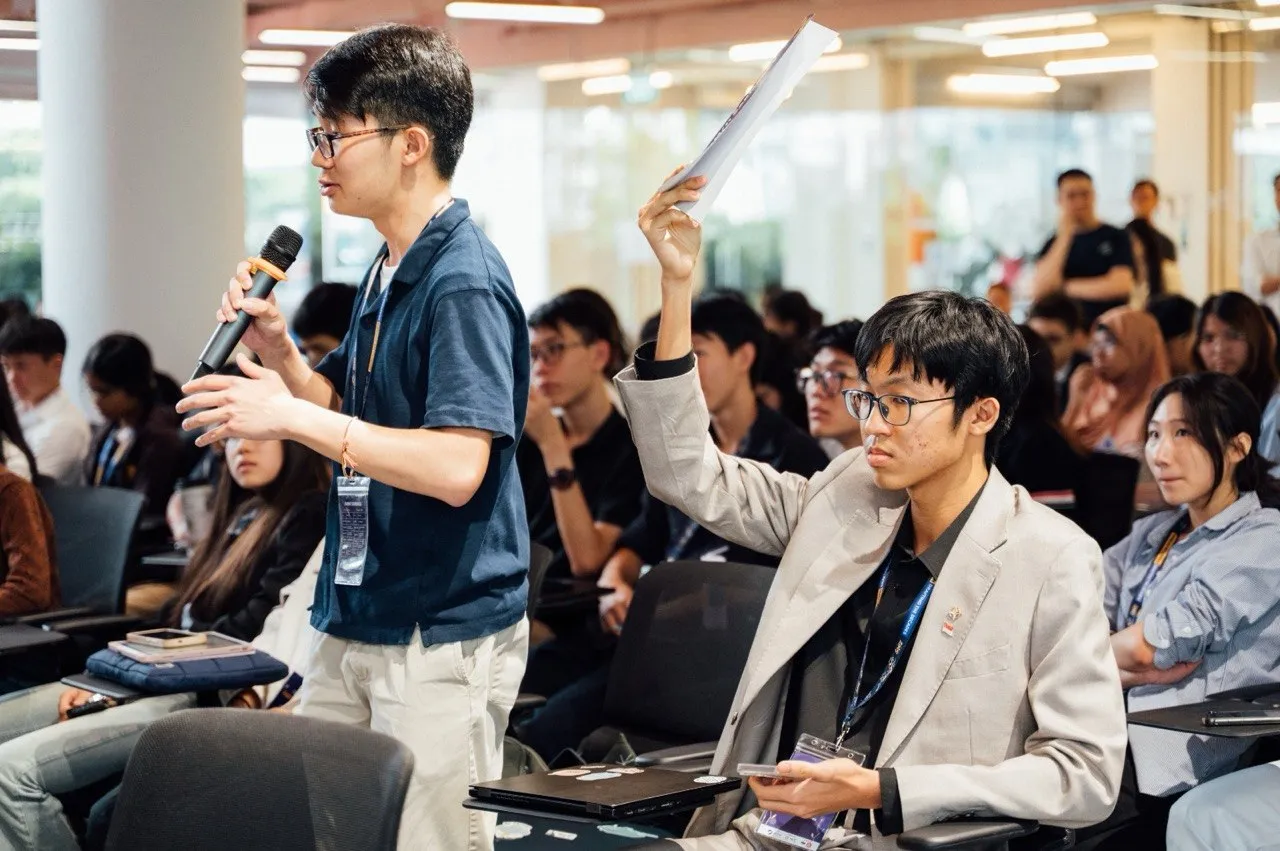
Worlds We Govern will immerse participants in the legislative process of the Singapore Parliament. With our various academic committees and unique mechanics, this journey will bring youths through spirited debates across several Readings, much akin to Singapore's real-world parliamentary procedure.
While exploring the multifaceted and deep-rooted complexities in our society, participants can also seize this chance to put their ideas to the test with APEX, our custom-tuned AI engine, as it evaluates their policies in real-time, transforming them into confident and competent policymakers.
Check out our Prospectus for more details
The National Service policy continues to be a contentious topic of discussion in Singaporean legislative debate. Serving time in National Service has in recent years been framed as a reciprocal duty put on Singaporeans and PRs, as an exchange between the citizen and the state. Whether this duty continues to exist, and how the balance of responsibilities between citizen and state is distributed needs continued revision to keep up with socio-political and technological contexts.
Nuclear energy is increasingly a policy consideration for Singapore. With demand for electricity from both consumers and corporations rising fast, this need is becoming pertinent given that Singapore’s electricity generation is overwhelmingly dependent on imported natural gas. This reliance hence exposes them to geopolitical tensions vis-à-vis increasing protectionism in the US and global energy related tensions.
Singapore's CPF is a vital part of ensuring stability for its residents, allowing them to tide through significant milestones and retirement. However, with a wide spectrum of Singaporeans, as well as an unstable economic landscape, the question of whether the CPF model as it stands is effective is constantly revisited.
Social media, especially algorithmic short-form content, has become the predominant platform on which individuals of all demographics engage with the online world. This poses many concerning issues to the development of Singapore’s youth in terms of mental health, addiction, and social withdrawal.
Despite the government having previously promoted standard English and a stringent Mother Tongue Language policy, most Singaporeans still communicate on a daily basis using some degree of Singlish and dialects. As the goals of economic progress and global integration have proven themselves fulfilled, the socio-cultural role of Singlish and dialects in the modern day should be re-examined.
In recent years, prediction markets like Polymarket and Kalshi have gained widespread popularity, particularly among young adults. With the emergence of strong local competitors like Opinion Labs and PrediXion Software, the issue of regulating prediction markets has become increasingly urgent and requires direct attention. Prediction markets introduce a grey area where certain “predictions” may not constitute bets in the traditional sense, and certain platforms may circumvent proper gambling regulation due to this grey area. Hence, to protect vulnerable Singaporeans from predatory gambling practices, proper legislation regarding prediction markets must be created.
Modern Singapore is more interconnected than ever before. Despite this, a growing number of its youth report feeling profoundly alone. Loneliness and social isolation amongst Singaporean youths have emerged as unassuming, yet dangerous public health concerns that often lead to the emergence of more visible symptoms, such as depression, anxiety and other mental health disorders. Calls have been made for Singapore to become a “We First” society grounded in mutual responsibility and collaboration to tackle this issue of social isolation.
The usage of AI in the healthcare sector has been increasingly prevalent in the modern world. As Singapore starts to scale AI for documentation, imaging, and preventive risk assessment, the current regulatory line stands that AI should augment healthcare professionals, while emphasising patient safety and trust. Contention thus lies in whether the usage of AI should be more broadly supported, and how it should be implemented while upholding the principles of healthcare for the people. In sum, legislation must consider how far, under whose control, and at whose risk AI should be deployed.
Independent Participants
| Registration Tier | Price | Registration Deadline | Status |
|---|---|---|---|
| Early Bird | $35 | 31 May 2026, 2359hrs | CLOSED |
| Regular | $40 | 22 June 2026, 2359hrs | CLOSED |
| Late | $45 | 20 July 2026, 2359hrs | CLOSED |
Independent Groups & School Delegations
| Registration Tier | Price | Registration Deadline | Status |
|---|---|---|---|
| Early Bird | $30 | 31 May 2026, 2359hrs | CLOSED |
| Regular | $35 | 22 June 2026, 2359hrs | CLOSED |
| Late | $40 | 20 July 2026, 2359hrs | CLOSED |
Worlds We Govern is an initiative by PREPMUN, and we are proud to partner with MAJU: The Youth Policy Research Initiative and CampusImpact for our 2026 iteration. Their support ensures that WWG remains grounded in the youth policy scene and emphasises to our participants the very human impact that policymaking can have.
SG_logo.pngWe were previously supported in our 2025 iteration by the Moulmein-Cairnhill Youth Network, the People's Association, and the National Youth Council, whose continued commitment to youth development and civic engagement has made this ground-up initiative possible. Their support empowered youth to reflect on our nation's past policy choices and co-create visions for the future through meaningful dialogue and policy innovation.



Not at all! While familiarity may help, all participants will receive sufficient context, guidance, and resources during the simulation. The event is designed to be accessible to students from all backgrounds and levels of experience.
WWG is designed to be accessible to participants from all backgrounds and all levels of experience! As an emerging conference with its unique set of Rules of Procedures, all participants will receive sufficient context, guidance, and resources before and during the simulation.
A mini guide will be disseminated to participants which include background briefs, tips, and optional readings. There will also be a complimentary pre-conference training session to help all participants familiarise themselves with the conference proceedings, allowing them to feel more confident and prepared for the conference itself.
WWG is a public policy simulation modelled after Singapore’s policymaking process, deriving its Standing Orders from the Standing Orders of the Parliament of Singapore. Comparatively, MUN conferences are simulations of the United Nations councils and are therefore governed by the United Nations Rules of Procedure.
Additionally, while topics discussed at MUN conferences typically aim to expand participants' knowledge in global affairs and historical crises, the topics at WWG address more pertinent local issues that resonate more deeply with citizens, empowering participants to think critically about shaping our nation’s evolving future.
While both try to replicate the Singapore Parliament, WWG focuses more on modelling the contentions behind policymaking and how different stakeholders contribute to the drafting of policy solutions. In contrast, other moot parliament programmes emphasise realism through highly rigid and structured rules of procedure, formal bill frameworks, and strict adherence to parliamentary modelling.
Can't find what you're looking for? We're here to help!
Reach out to us for any additional questions or clarifications.